

The world’s largest democracy is watching its own election machinery turn on itself.
On 23rd September, a report by The Indian Express revealed that two of the three Election Commissioners, Sukhbir Singh Sandhu and Vivek Joshi, had formally objected more than 14 times over the last 10 months to decisions and orders passed without their knowledge, with the objections stretching back to November 2025 and, on one occasion, four objections being raised in a single day.
Sandhu reportedly learned about new IT modules and portals only after they had already been built, finding out through the media rather than through the Commission itself.
At the heart of these objections lies the pulse of democracy itself: the voters.
More than 13 crore names were deleted in the Special Intensive Revision of the voter rolls, appearing in the draft list across 30 different states and Union Territories.
The Commissioners’ additional complaints touched on the addition and deletion of voters, changes to Form 6, access to the electoral database, and the functioning of the Commission’s own IT systems, along with concerns over what Joshi described as the growing centralisation of the electoral-roll database in Delhi.
In the wake of the report, the Election Commission of India offered a response that many have called furtive. It maintained that all decisions were made unanimously, effectively sweeping the dissent under the rug and dismissing the Commissioners’ formal objections as routine internal notes.
The Commission further stated that its digital platforms, including ECINet, function under strict data-security protocols meant to prevent unauthorised tampering, and that officers continue to operate within their legal powers for the registration and deletion of voters.
That response has done little to calm the storm.
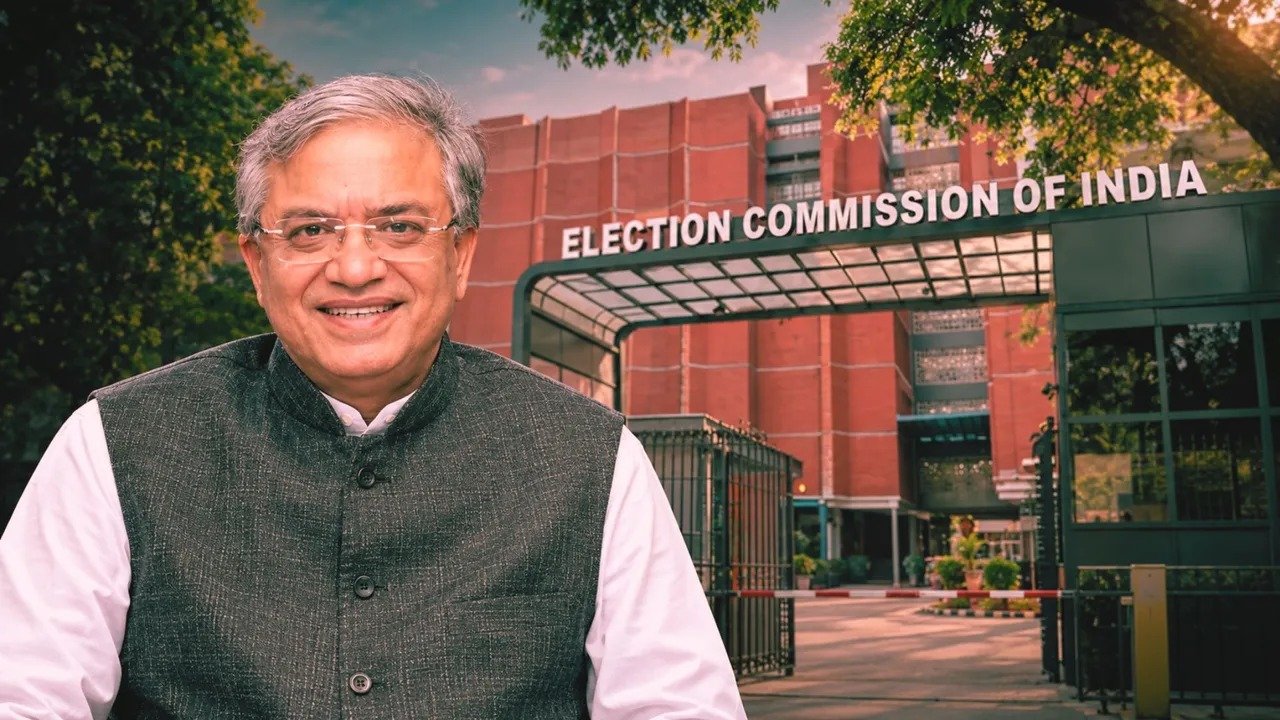
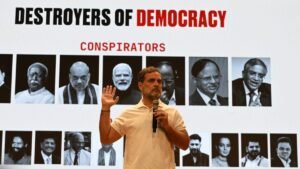
The INDIA bloc is now demanding answers and the resignation of Chief Election Commissioner Gyanesh Kumar, with Rahul Gandhi at the forefront, alongside M.K. Stalin, Mamata Banerjee, Raj Thackeray, and other leaders calling for a full report and investigation into the CEC.
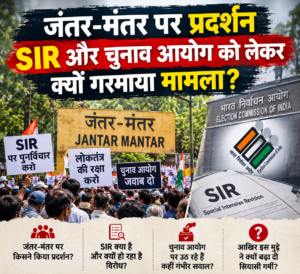
Hemant Biswa Sarma’s “demaginaxali,” his term for the CJP and NSUI, have also taken to the streets in protest, and the CJP has warned of a “Jantar Mantar 2.0” if the CEC does not step down within 48 hours.
Assam’s Congress Chief Gaurav Gogoi, along with other youth activists in Delhi, have been detained during the protests demanding the CEC’s removal.
Democracy, as the saying goes, doesn’t change overnight; it changes quietly, in the background, in forms like Form 6.
The question now is whether an act of accountability, a “Resignation 2.0,” will come on its own, or whether it will take a “Jantar Mantar 2.0” to force the issue.
What began as internal notes between three Commissioners has now spilled into the streets and the headlines, and how the Commission chooses to respond in the coming days may well decide how much trust remains in the machinery meant to safeguard every voter’s name on the rolls.
Source: PTI | The Indian Express | The Hindu | The Wire